Injury prevention: how to protect your back, neck and joints
Published February 2026
Expert contributor: Tim Douge, accredited exercise physiologist
Words by Sabrina Rogers-Anderson
Want to reduce your risk of strains, sprains and other common injuries? These injury prevention tips will help protect your back, knees, hips and more.
Injuries aren’t always caused by a major accident. Often, it’s small, everyday movements that trigger aches and pains – like lifting a light box and feeling a sharp twinge in your back, landing on your knees awkwardly when playing with the kids, or hunching over a computer all day and winding up with a stiff neck.
Back, neck and joint injuries are common and can happen when you least expect it. In the 2023 to 2024 financial year, the most commonly reported injuries were fractures, open wounds and soft-tissue damage. Injuries most likely to result in hospitalisation affected the head and neck, hip and lower limb, and shoulder and upper limb.
“Low fitness, awkward postures and sustained postures [held for a long period] can lead to injury in office workers, whereas accidents, trips and falls have a big role to play on work sites,” says accredited exercise physiologist Tim Douge. “Most workplaces try to mitigate that with safe lifting procedures and equipment, but time pressures and fatigue can lead to injury anyway.”
But it’s not just about looking after yourself at work. Most reported injuries happen at home.
Adopting just a few small, consistent habits can go a long way towards preventing injuries both at work and at home. It all comes down to knowing your limits, practising safe lifting techniques, and good exercise and posture habits.
Injury prevention: the basics
Tim has four tips to help you keep injuries at bay.
1. Exercise regularly
“Each person has a predisposition towards certain injuries that can come from their genetics, such as joint conditions,” says Tim. “And their job will expose them to different environmental factors that can cause injury. Exercise and healthy lifestyle behaviours will help reduce both those types of risks.”
Regular physical activity doesn’t just support a healthy weight, it also strengthens your muscles, bones and joints, improves balance and flexibility, and lowers your risk of conditions like osteoporosis. All of these play an important role in preventing falls and injuries.
Haven’t exercised for a while? Check out these tips for creating a new exercise routine. Remember to start slowly, always warm up properly, and finish with a few stretches to help prevent exercise-related injuries.
2. Vary your posture
If you’re physically fit, your body will be better able to tolerate awkward or sustained postures. But varying your posture throughout the day, like regularly getting up from your desk, taking frequent breaks from operating tools or changing how you move when you’re tidying up around the house, can help reduce your risk of injury.
“We always say that the best posture is your next posture,” Tim says.
3. Follow safe lifting techniques
If you’re doing any heavy lifting – whether you work in a manual job, you’re moving house or you’re wrangling kids’ gear in and out of the car – there’s always a chance you could hurt yourself. If your body isn’t conditioned for a task or you’re rushing through it, you could end up putting too much pressure on your back, muscles or joints.
“It’s important to take your time and pay attention to what you’re doing, even if you’re feeling pressure to get the job done or you’re tired and your focus isn’t at its best,” says Tim.
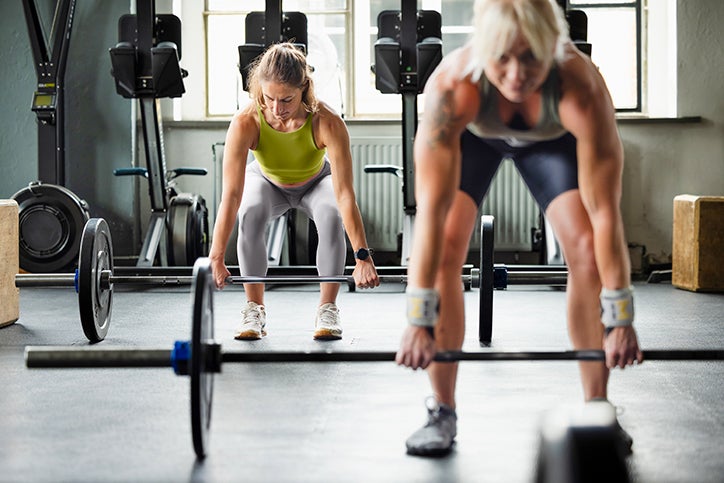
How you lift is important, and a few small adjustments can make a big difference. Remember to stand close to the object, bend at the knees and engage your core – similar to how you would if you were squatting – but don’t arch your spine. If something feels too heavy, divide it into smaller loads or ask for help. For more information on safe lifting techniques, check out this guide.
4. Do what feels comfortable
While some people swear by ergonomic workplace setups – like the 90-90-90 rule which says that your hips, knees and elbows should all be at 90 degrees when sitting at a desk – Tim says feeling comfortable should be the priority.
“These hard-and-fast rules don’t take into account individual differences. We know that staying in the same position all day can lead to injury, so do what feels comfortable for you and remember to vary your position. Sit-stand desks that allow you to alternate between the two can be useful.”
The same goes for any activities that include bending, lifting or pushing. If something feels uncomfortable, too heavy or you notice any pain, it’s important to stop and reassess.
Recovering from an injury
If you injure yourself at work or at home, be sure to visit your GP or a physiotherapist within the first 24 to 48 hours.
“That’s the critical window to get some guidance on what the diagnosis is, how much rest and activity you should be doing, and how to manage the injury,” says Tim.
Many people assume that the RICE protocol – rest, ice, compression and elevation – is the best recovery option for soft-tissue injuries (like sprains and strains). But this isn’t always the best approach, and it’s important to consult a healthcare professional for proper diagnosis and treatment.
“One of the common beliefs was that ice helped reduce inflammation, but we now understand that inflammation is part of the healing process, so we don’t really want to slow it down,” Tim explains. “But if pain is really limiting a person’s capacity, we would recommend ice.”
Depending on the injury, ‘relative rest’ is also generally recommended over complete rest. “This approach takes into account how much activity the person would normally do and what they have the capacity to do,” Tim says. “We encourage as much function and movement as they can tolerate.”
For muscle pains, applying heat can help. “Heat won’t help an injury heal, but it can relieve some of the associated muscle tension,” says Tim. “And some gentle stretching may feel good and help the muscle and tendon fibres heal a bit more smoothly.”
If you do experience an injury, your extras cover can help support your recovery by contributing to the cost of physio, chiro, osteo, and alternative therapies like remedial massage, myotherapy and more. Check your cover inclusions online or call our friendly team today on 1300 886 123.
Looking for more health info?
Check out the latest articles on our Stay Well hub – your go-to place for all things health and wellbeing.
This wellbeing message is brought to you by the team at RT Health, a division of HCF, The Hospitals Contribution Fund of Australia Limited (ACN 000 026 746). This communication contains information which is copyright to HCF. It should not be copied, disclosed or distributed without the authority of HCF. Except as required by law, we do not represent, warrant and/or guarantee that this communication is free from errors, virus, interception or interference. All reasonable efforts have been taken to ensure the accuracy of material contained on our website. It’s not intended that this website be comprehensive or render advice. The information provided on this website is general information only and may not be suitable to your individual circumstances or health needs. Please check with your health professional before making any dietary, medical or other health decisions as a result of reading this website.